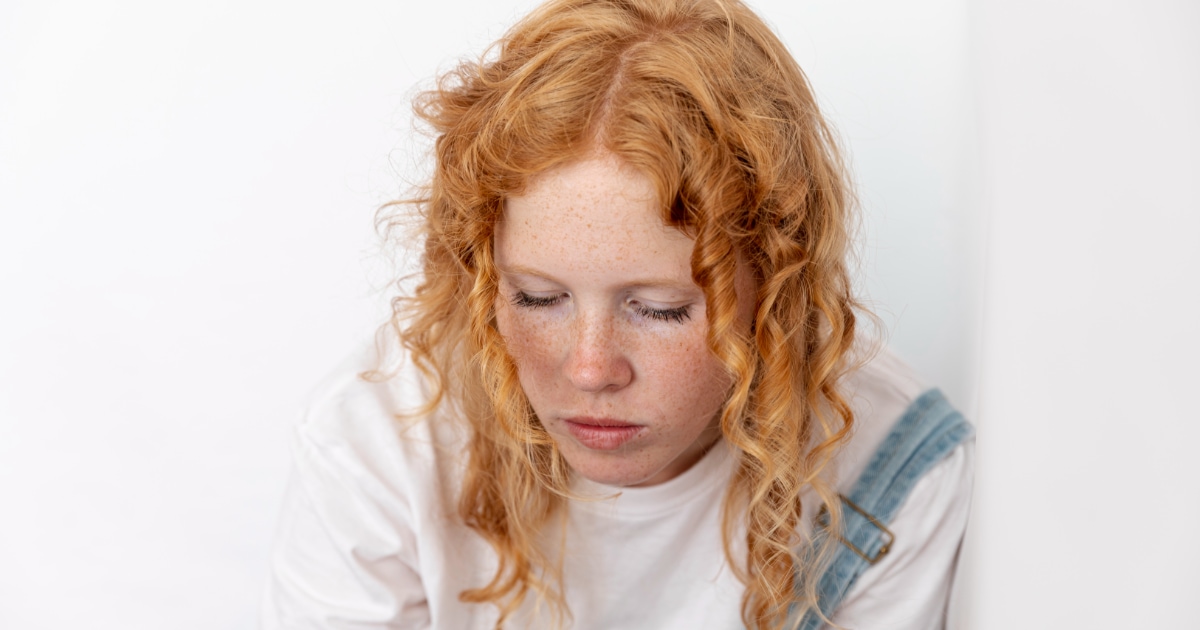
Being highly sensitive can be a strength, but it can also make some parts of everyday life more challenging.
Modern life often comes with deadlines, time pressure and constant demands. For highly sensitive people, this can sometimes feel overwhelming. A sensitive nervous system may react more strongly to stimulation, and highly sensitive people often take in more information from their surroundings. Over time, this can contribute to stress and exhaustion.
What are the signs of a highly sensitive person?
Being highly sensitive, also known as being a highly sensitive person (HSP), is not a disease or a diagnosis. Being highly sensitive describes an innate trait. Highly sensitive people simply have a more sensitive nervous system than others.
Do you quickly go from feeling energetic and engaged to tired, discouraged or vulnerable? These are common traits of highly sensitive people.
Are you easily influenced by what others say and do, and do you sometimes feel as if you are deeply aware of someone else’s feelings?
- Highly sensitive people often pick up on other people’s moods and emotions more strongly than others do.
- They can pick up on other people’s emotions and tone of voice, almost as if those feelings were their own.
- Highly sensitive people can often sense how others are really feeling, which can make it easier to become emotionally involved.
Taking small breaks throughout the day can make it easier to manage sensory input. In Mindfit, you’ll find breathing exercises and other tools to help you calm down when you feel stressed or overstimulated.
Highly sensitive people are everywhere
Highly sensitive people can be found everywhere – in kindergartens, schools and workplaces. They may experience challenges at school, within the family, at work and in personal relationships because of their sensitive nervous system. Many also feel different from those around them.
1 in 5 people are highly sensitive
Studies, including research from the US, suggest that 15 to 20 percent of the population is highly sensitive. High sensitivity is equally common among men and women and is found in both adults and children.
American psychologist and researcher Elaine Aron has played a key role in research on high sensitivity and the concept of the “highly sensitive person” (HSP).
Sensitivity is not a new concept. It has been explored by psychologists and researchers in different ways for many years.
Sensitivity and vulnerability
Highly sensitive people are thought to process sensory information more deeply. TThis may make them more easily overstimulated and stressed, which can cause them to become overstimulated and exhausted.
The nervous system of a highly sensitive person works as it should, but it is more sensitive than that someone who is less sensitive.
The strengths and challenges of being highly sensitive
Highly sensitive people are often naturally open, self-aware and flexible in their thinking, with a strong understanding of others.
Because of this, and because many highly sensitive people find it difficult to set boundaries, they can easily become the person others turn to with their problems.
- Highly sensitive people often put a lot of care into what they do, both at work and in their personal lives. Over time, this can leave them feeling drained.
- Many highly sensitive people are especially sensitive to light, sound or smells, and some also experience food intolerances.
- Highly sensitive people are often creative and capable.
Learn to navigate life as a highly sensitive person
Understanding what it means to be highly sensitive can make everyday life easier to navigate. When you understand why you react the way you do, things can start to make more sense. Being highly sensitive isn’t something that needs to be cured, but you can learn how to manage your sensitivity in a way that works for you.
When you don’t fully understand yourself or recognize your strengths, it’s easy to feel more vulnerable than you really are. Over time, this can make you more self-critical and affect how you see yourself.
Learning more about your sensitivity, whether through reading, courses or guidance, can help you understand yourself better and learn what works for you.
How to manage being highly sensitive
Understanding and accepting your sensitivity can make everyday life easier to manage. It can also help to become more aware of your boundaries, what makes you feel overstimulated and what helps you find calm. Here are five simple tips:
5 tips for highly sensitive people
- Accept yourself and your sensitivity
- Set boundaries and respect your own limits
- Find ways to relax that work for you
- Listen to what your body is telling you
- Give yourself some time alone
How Mindfit can help you
sensory overload, stress and racing thoughts can sometimes feel overwhelming. It can help to understand your reactions, become more aware of how you talk to yourself and have a few simple tools to help you calm down when you need to.
Mindfit is a Norwegian mental health app with tools to help you understand your reaction patterns, challenge negative thoughts and become less self-critical. You’ll also find breathing and relaxation exercises that can help you calm stress and racing thoughts.
About the author, Lian Kirksæther
Lian Kirksæther has extensive experience working with people and specializes in the topic of high sensitivity. She is the author of “Sensitiv og Sterk” (Sensitive and Strong), which is now a bestseller in Norway.